

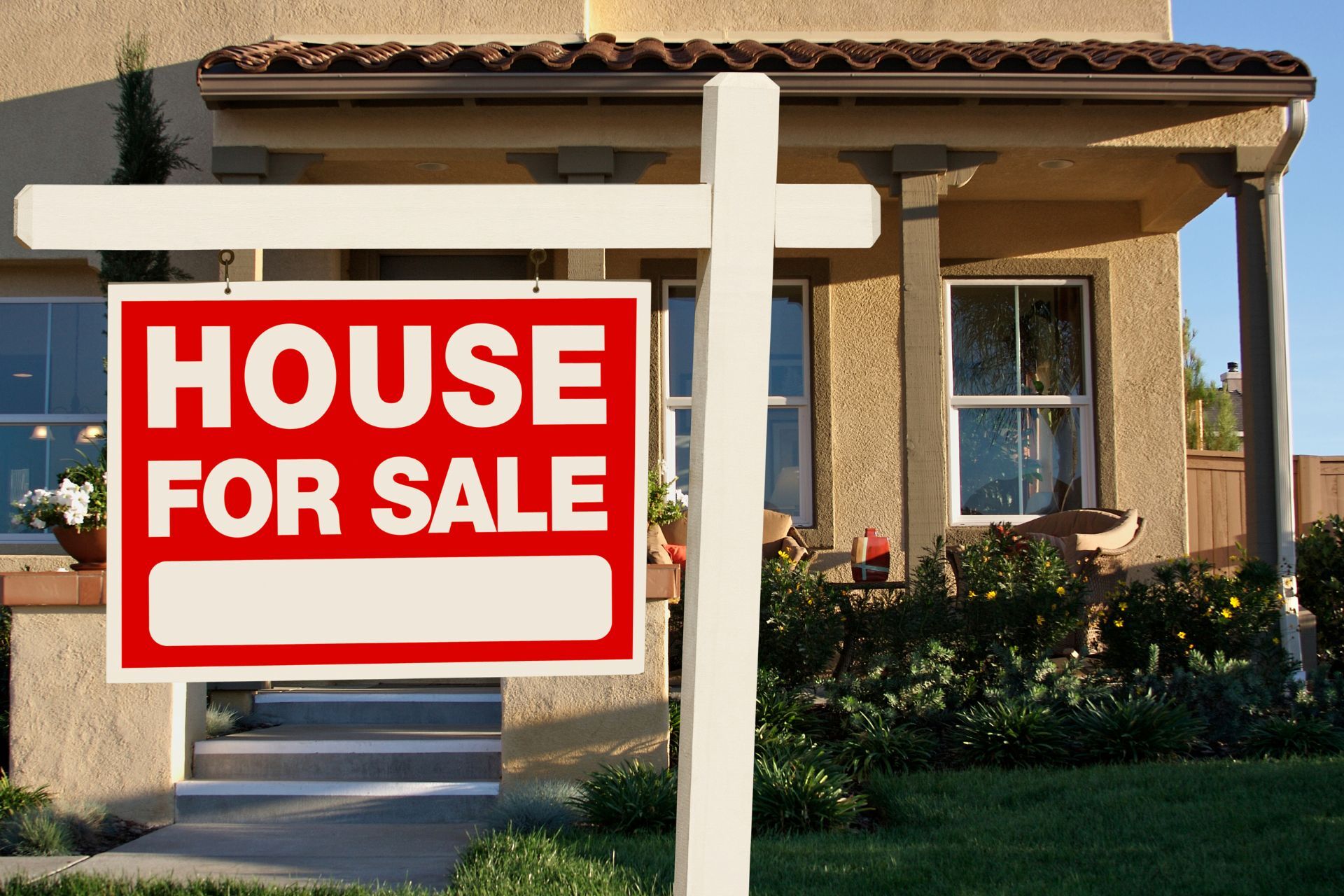
Many rental property owners assume that selling a property is simplest when a tenant’s lease ends. No showings to coordinate. No lease to honor. A clean break. While this is true, you need to ask yourself if now is the right time before you hurt your bank account. As the Orlando rental and sales markets have shifted, selling a house in Central Florida is not the breeze that it was a few years ago. Today’s environment requires more strategy, patience, and math than emotion.
The Market Has Shifted; Owner Expectations Haven’t
Over the past few years, many owners grew accustomed to fast sales, aggressive buyers, and rising prices. That momentum has cooled. Buyers are more cautious, interest rates remain elevated, and most properties sit on the market longer than many sellers expect. While this might seem like a negative, in reality the market has returned to what is normal.
Homeowners underestimate how long listings now take to close and how much the expenses accumulate along the way. The vast majority of sellers have lost sight of the reality – homes appreciate 3-5% annually – and are unwilling to compromise when it comes to sales price despite seeing 30-50% appreciation since 2020.
Non-Renewing a Willing Tenant Often Creates Unnecessary Risk
A tenant who wants to renew is not a problem. They’re an asset. The vast majority of the rentals under TRM’s portfolio are at least minimally cash flow positive – the tenants are covering all monthly expenses.
When an owner chooses not to renew in anticipation of a sale, rental income stops immediately while the bills do not, and while the sale remains uncertain. The owner effectively trades guaranteed monthly income for a speculative outcome.
If the property doesn’t sell quickly, the financial downside begins immediately.
Vacant Properties Cost Money
Vacancy is rarely neutral. Once a home becomes empty, owners must cover every expense with no offsetting income, including:
Mortgage payments
Property taxes and insurance
Utilities
HOA dues
Lawn care and ongoing maintenance
Repairs
As we often highlight, even a few months of vacancy can erase an entire year’s worth of rental profit. Owners frequently underestimate how quickly these costs add up.
Selling Requires Preparation that Many Owners Skip
Although some sellers may choose to forego maintenance or minor repairs, today’s buyers expect well-presented, move-in-ready homes. The days of cash offers $30,000 over asking, sight unseen, with no inspection or appraisal period, are long gone. Properties that still reflect tenant wear and tear or deferred maintenance struggle to compete and will likely not sell, or will require a much lower contract price to get to the closing table.
Common mistakes include:
Listing without fresh paint or flooring
Ignoring outdated fixtures or appliances
Skipping minor repairs that become major buyer objections
Unkempt landscaping and poor curb appeal
Buyers often consider homes that are not turnkey as “projects” and most buyers do not want a project. These listings will either sit on the market or force sharp price reductions later. In both cases, time and money are lost.
Despite Resistance, Price Reductions Are Inevitable
Much like a lease price, the vast majority of sellers overprice their house for sale. When a listing lingers, the market is communicating. Many sellers resist adjusting the price, hoping the “right buyer” will eventually appear. In reality, delayed price corrections usually extend vacancy, increase carrying costs, and reduce negotiating leverage. By the time sellers do reduce the price, they’ll often net less than if they’d priced appropriately from the start. Sellers who choose not to renew tenant leases during the sale risk losing even more due to extended vacancy periods.
Real-World Example: Six Months Vacant, No Sale
In 2025, several existing TRM, and some new owners, chose not to renew tenants and listed their properties for sale. Six months passed. No sale. Eventually, those owners re-rented the homes, during the slowest leasing season of the year, and the vast majority leased at a lower rate than their previous tenants were paying due to the market corrections. The result was lost rent, extended vacancy, rushed pricing decisions, and unnecessary stress. In many cases, the financial damage outweighed any potential upside from selling earlier.
Timing and Strategy Matter
The housing market is a constant circle of buyer’s markets and seller’s markets. We are currently in a buyer’s market where home values are depressed, and likely will be for another 2-3 years. The good news is that seller’s markets follow buyer’s markets, and that’s when home values appreciate. If you want to sell it is financially advantageous to sell 7-8 years into a seller’s market when you are maximizing your ROI, not in a buyer’s market when prices have declined. Now, I can understand wanting to cash in on the extreme appreciation you’ve experienced from 2021-2023, but that was the time to sell. If you are wanting to sell now it’s best for the tenants to choose to move out and then sell as opposed to forcing them out.
Cash Flow Buys Time and Flexibility
Having paying tenants in place produces rental income that gives owners options. With a paying tenant, owners can:
Have the expenses paid by the tenant
Absorb market fluctuations
Budget for improvements
Choose optimal listing windows
Avoid panic-driven decisions
The Smarter Question Isn’t “Can I Sell?”—It’s “Should I Sell Right Now?”
Every owner can sell. The real question is whether selling now maximizes value.
Savvy investors evaluate:
Current buyer demand
Expected days on market
Prep and repair costs
Opportunity cost of vacancy
Ongoing rental income
If you are considering selling you should consult your real estate agent first. Have them conduct a comparative market analysis to see what the price range is for your property. Find out what work needs to be done to the house in order for it to actually sell and what does that cost look like. Analyze all of the variables instead of saying, “Now is a good time to sell” because it actually isn’t, especially if you are not prepared to take the steps needed to close. Selling should be a strategic decision, not a reflex.
Professional Guidance Prevents Costly Mistakes
Experienced property management and real estate professionals help owners run the numbers before making irreversible decisions.
Before deciding not to renew a tenant, talk to rental property experts at The Realty Medics who can compare renewal vs. sale scenarios using real data, not assumptions. In today’s market, thoughtful planning protects both cash flow and long-term equity.