

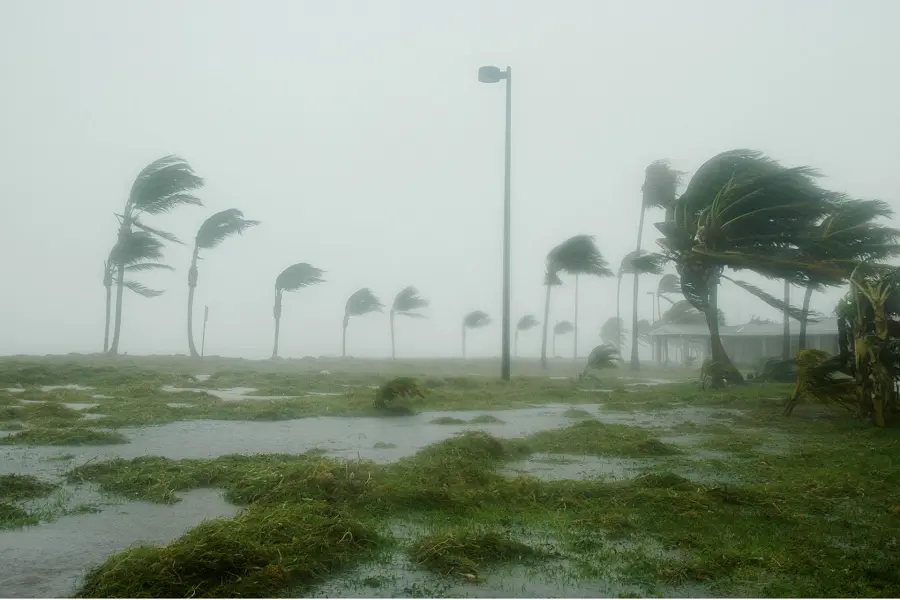
Hurricane season is a reality for landlords and real estate investors throughout Florida and the Gulf Coast. When a storm strikes, the decisions you make in the first 36 to 72 hours can have a significant impact on your property’s recovery, your tenant relationships, and your bottom line. Whether you’re a seasoned investor or a first-time landlord, having a clear action plan before disaster hits and knowing how to execute it after can make all the difference.
Watch: Hurricane Insurance Claims: Mistakes That Can Cost You Thousands
1. Safety Comes First Always
Before anything else, resist the urge to rush back to your property. Never enter a damaged building until local authorities have declared the area safe. Hazards such as downed power lines, gas leaks, structural instability, flooding, and mold growth can make a property dangerous long after the storm has passed.
2. Document Everything Immediately
Once you’re cleared to access the property, begin documenting damage right away. Take thorough photos and videos of both the exterior and interior, including but not limited to the roofs, walls, windows, flooring, appliances, and any personal property if applicable. Create a written inventory of damaged items and keep all records of emergency repairs and related expenses. This documentation is the backbone of your insurance claim and can mean the difference between a smooth payout and a prolonged dispute.
3. Contact Your Insurance Provider Right Away
Before the storm makes landfall, you should review your policy to understand your coverage limits, deductibles, and any exclusions, particularly around flood damage, which is often excluded from standard landlord policies and requires a separate flood insurance policy. Report damage to your insurance provider as soon as possible to reduce the likelihood of problems with your claim. Keep organized records and respond promptly to your adjuster’s requests to keep the claims process moving forward. Lastly, only provide the requested information and answer the carrier’s questions as asked.
4. Keep Your Tenants Informed
Proactive communication with the tenants is essential. Provide regular updates on the property’s condition, expected repair timelines, and next steps. If the property is uninhabitable, discuss temporary housing options and understand your legal obligations under state and local landlord-tenant law. Maintaining clear, respectful communication during a stressful time helps preserve trust and can prevent disputes down the road.
5. Mitigate Further Damage Quickly
Most insurance policies require property owners to take reasonable steps to prevent additional damage after a storm. This means arranging emergency services promptly, such as roof tarping, water extraction, debris removal, and board-up services. Addressing water intrusion quickly is especially critical, as standing moisture can lead to mold growth within 24 to 48 hours and cause far more costly damage than the storm itself.
6. Plan Your Recovery and Think Long-Term
Once immediate emergencies are addressed, shift your focus to the full recovery plan. Obtain estimates from licensed contractors, prioritize repairs that restore habitability, and develop a realistic timeline for inspections, insurance approvals, scheduling, and tenant re-occupancy. Use this experience as a chance to review your hurricane preparedness strategy. Consider upgrades such as impact-resistant windows, reinforced roofing, improved drainage, and backup power solutions to better protect your investment in future storm seasons.
7. Consider Working with a Property Management Company
Navigating hurricane recovery while managing tenant relationships, insurance claims, contractor schedules, and legal compliance can be overwhelming, especially if you own multiple properties. A professional property management company can coordinate emergency repairs, handle tenant communications, oversee contractors, and assist with documentation. Having that support in place before a storm ever hits can significantly reduce stress and accelerate your recovery timeline.
Be Prepared Before the Storm Arrives
The best time to build your hurricane response plan is well before hurricane season begins. Review your insurance coverage annually, establish relationships with emergency vendors, and make sure your tenants know how to reach you in an emergency. A little preparation goes a long way toward protecting both your investment and the people who call it home.
Frequently Asked Questions
- What should I do first if a hurricane damages my rental property?
The first step is to ensure everyone's safety. Once local authorities declare the area safe, inspect the property, document all damage with photos and videos, and contact your insurance provider to begin the claims process. It's also important to communicate with tenants about the property's condition and next steps. - Does landlord insurance cover hurricane damage to a rental property?
Most landlord insurance policies cover wind-related hurricane damage, but coverage varies by policy. Flood damage is often excluded and may require a separate flood insurance policy. Property owners should review their coverage details, deductibles, and exclusions before hurricane season to avoid surprises after a storm. - Can tenants stay in a rental property after hurricane damage?
It depends on the extent of the damage. If the property is safe and remains habitable, tenants may be able to stay while repairs are completed. However, if the hurricane causes significant structural, electrical, or water damage that affects habitability, tenants may need to relocate until repairs are finished. - How can I speed up the insurance claim process after hurricane damage?
To help expedite a claim, document all damage immediately, keep records of repair estimates and emergency mitigation work, save receipts for related expenses, and respond promptly to requests from your insurance adjuster. Thorough documentation often helps reduce delays and disputes. - How can investors protect rental properties from future hurricanes?
Investors can reduce storm-related risks by installing impact-resistant windows, reinforcing roofing systems, trimming trees, maintaining drainage systems, securing outdoor items, and reviewing insurance coverage annually. Creating a hurricane preparedness plan before storm season can also help minimize property damage and vacancy time.